Bio-Conversion.
1. The Why. What. How.
According to the NASA Earth Observatory Database, the invasive water hyacinth is regarded as the world’s most harmful aquatic weed, affecting biodiversity in more than 5,000 freshwater bodies worldwide. Currently, it covers large, recurring patches across Lake Victoria (estimated ~60% cover of the shoreline). It has regularly invaded Lake Naivasha, Lake Nakuru, and many other African systems, including Lake Malawi, the Zambezi basin, River Niger, the Tano Lagoon, and numerous dams, rivers, and wetlands. ResearchGate+1. The weed forms dense mats that block sunlight, lower dissolved oxygen, and cause mass fish kills; fishermen report daily catches collapsing (e.g., Naivasha catches falling from ~90 kg to 10–15 kg/day in reported cases), driving up fishing costs and crushing incomes. AP News+1 Decomposing mats create anoxic zones and greatly increase methane emissions from freshwater systems — invasive beds are linked to higher CH₄ fluxes in field studies. MDPI+1 Mats also create breeding habitat for disease vectors and snail hosts (schistosomiasis) and shelter snakes and other wildlife that have been implicated in local fatalities and human–wildlife conflict. ResearchGate+1 Economically, transport, tourism, and fisheries losses in affected Kenyan lakes have been estimated in the low hundreds of millions of USD annually. AP News


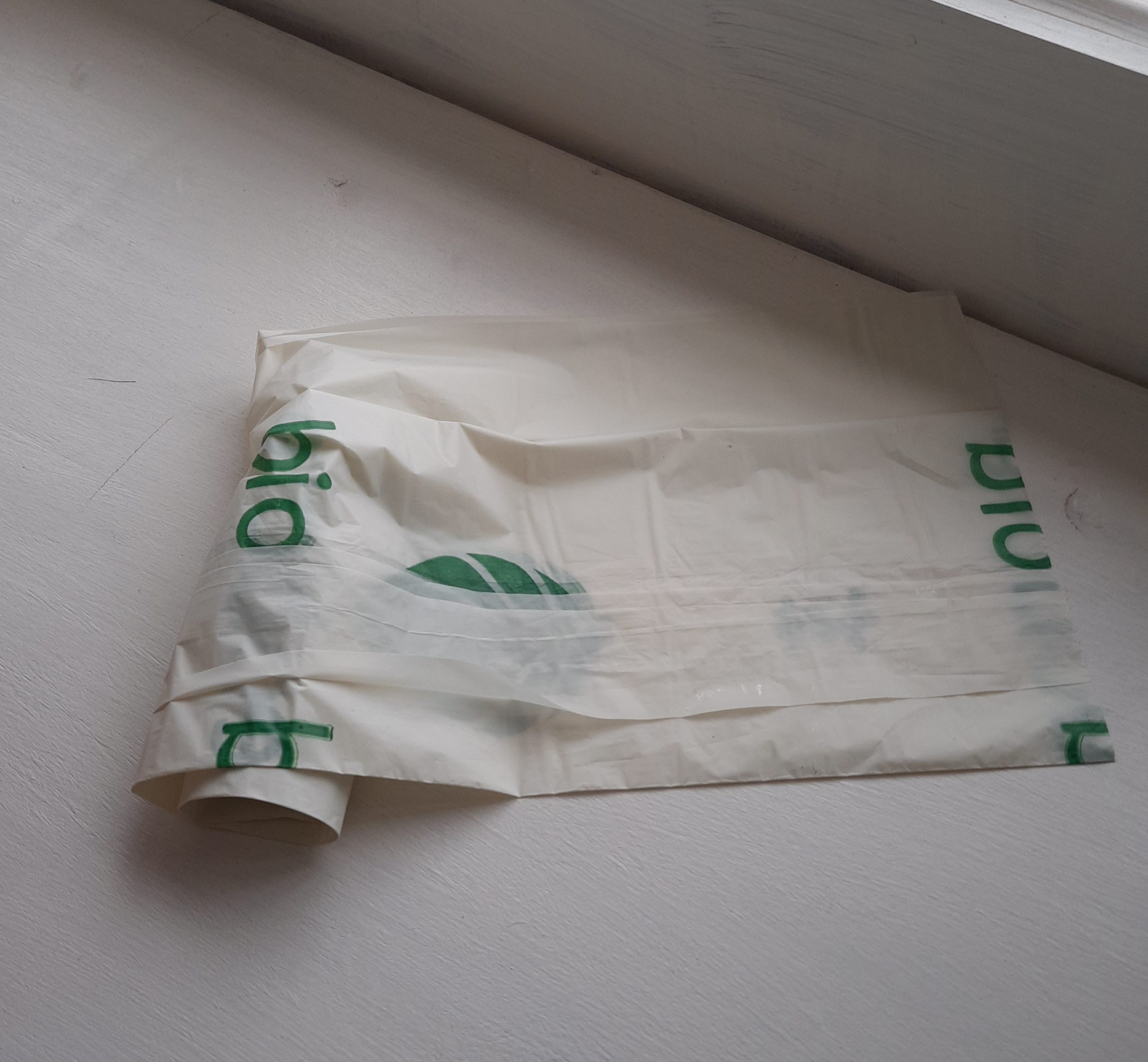
Our Advanced Precision Bio-Conversion Technology transforms harvested invasive aquatic weeds from Lake Victoria into high-performance, biodegradable lignin films, laying the foundation for a new generation of sustainable materials.


make an Impact
Join the Circular Revolution
300
Tons Removed Monthly
12
Active river interceptors
100%
Transparent Tracking
Contact Us
Follow Us
- Chemolex Center, Utawala.
- + 2547 1600 9679
-
Timing: 9am -8pm
Mon - Fri.